
Plush toys, also known as stuffed toys or plushies, have remained incredibly popular consumer products for decades. They captivate children, are cherished by adult collectors, and serve as powerful marketing tools for brands. For importers, wholesalers, and retailers alike, a deep understanding of plush toys is the foundation for successful procurement.
In diesem Artikel erfahren Sie alles, was Sie wissen müssen – von den Stoffen und Füllungen, die ihnen Leben verleihen, zu ihren unterschiedlichen Größen, einflussreiche Marken, Individualisierungsmöglichkeiten, und die Feinheiten der Großhandelspreise.
1.Was ist ein Plüschtier??
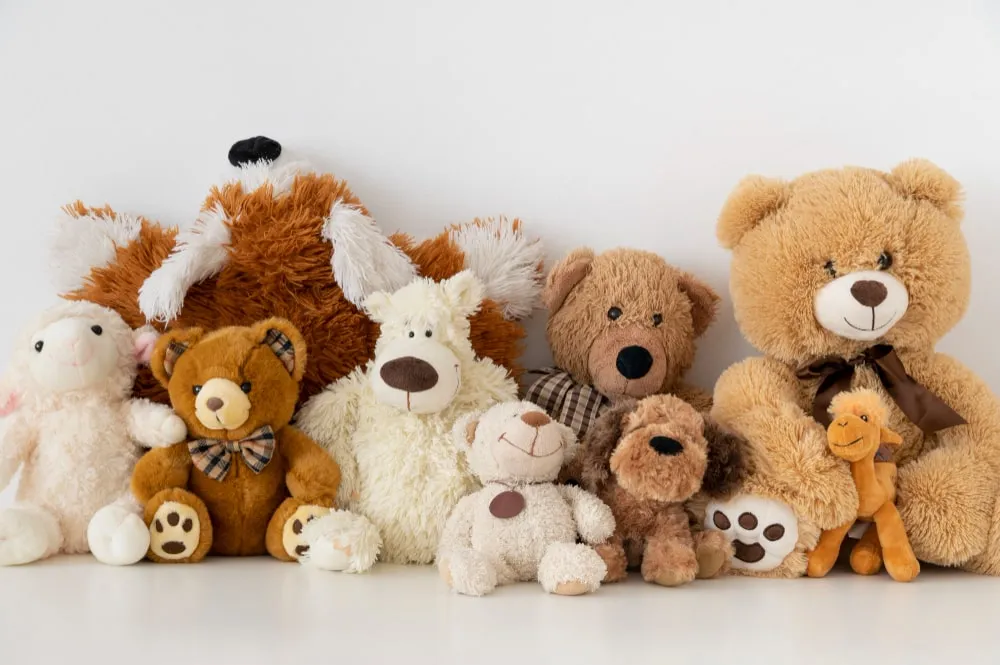
A Plüschtier ist eine weiche Stofffigur aus Plüschstoff und gefüllt mit Fasern, Schaum, oder Baumwolle. Sie haben üblicherweise die Form von Tieren, geliebte Charaktere, oder Markenmaskottchen. Ihr Nutzen ist vielfältig: Sie dienen als Spielzeug für Kinder, Sammlerstücke für Liebhaber, und einzigartige Werbegeschenke für Unternehmen.
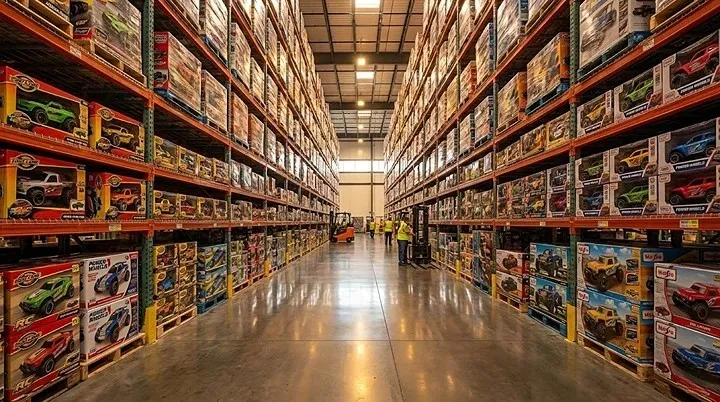
Für unsere Partner bei LuluFamily, Plüschtiere stellen eine durchweg starke Großhandelskategorie dar. Die Nachfrage ergibt sich aus einer Vielzahl von Kanälen: traditionelle Spielwarenläden, Online-E-Commerce-Plattformen, Themenparks, und Werbeveranstaltungen. Wenn Sie bei uns aus China einkaufen, Sie können mit flexiblen Mindestbestellmengen rechnen (MOQs), typischerweise im Bereich von 200 Zu 1,000 Einheiten, schnelle Lieferzeiten, und umfangreiche Anpassungsdienste für das Logo Ihrer Marke oder einzigartige Maskottchen.
2. Welche Arten von Plüschtieren gibt es??
Der Plüschtiermarkt ist reich an Vielfalt, Jede Kategorie ist auf unterschiedliche Verbraucherpräferenzen ausgerichtet:
- Tierische Plüschtiere: Von klassischen Bären und Katzen bis hin zu Hunden, Kaninchen, und fantasievolle Fantasiewesen.
- Charakter-Plüschtiere: Mit lizenzierten Artikeln von beliebten Franchise-Unternehmen wie Disney, Pokémon, oder geliebte Anime-Charaktere.
- Mini-Plüschtiere: Wird oft als bezaubernder oder kleiner Schlüsselanhänger verwendet, wirkungsvolle Werbegeschenke.
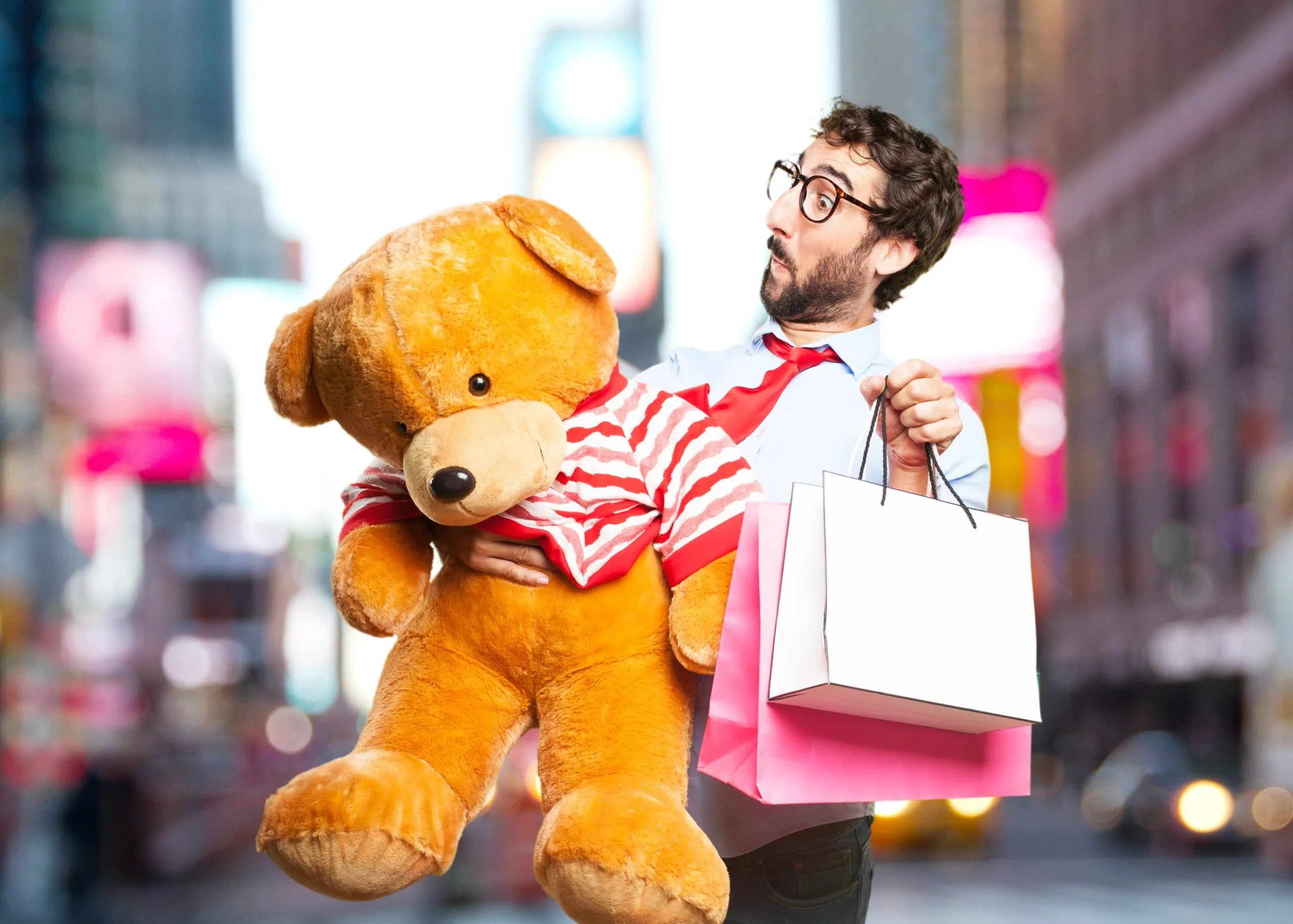
- Riesige Plüschtiere: Übergroße Plüschbären oder Kissen, Perfekt, um ein großartiges Geschenk-Statement abzugeben.
- Firmenmaskottchen-Plüschtiere: Unternehmen machen ihre Logos oder Maskottchen greifbar, Produkte zum Anfassen.
Für Großhändler, Das Angebot mehrerer Typen sorgt für eine breite Kundenattraktivität. Viele chinesische Hersteller, mit denen wir zusammenarbeiten, bieten beides OEM-Plüschtiere (nach Ihren genauen Vorgaben gefertigt) Und ODM-Plüschtiere (Wir bieten verkaufsfertige Designs an, die angepasst werden können).
3. Welche Arten von Plüschstoffen gibt es??
Der taktile Reiz und der allgemeine Charme eines Plüschtiers werden stark vom verwendeten Stoff beeinflusst. Zu den gebräuchlichsten und effektivsten Materialien gehören::
- Velboa: Eine langlebige und kostengünstige Option, Ideal für Großserienproduktionen.
- Minky-Stoff: Bekannt für seine außergewöhnliche Weichheit, Wird häufig für babyspezifische Plüschtiere verwendet.
- Kunstpelz: Imitiert realistische Tiertexturen gekonnt, Steigerung der Authentizität.
- Cord/Denim: Fügt ein einzigartiges Strukturelement für kreativere und stilvollere Plüschtiere hinzu.
Die Wahl des Stoffes wirkt sich direkt auf beide aus Preispunkt und die Marktpositionierung Ihres Produkts. Hochwertige Stoffe ermöglichen es Einzelhändlern, Plüschtiere als höherpreisige Artikel zu vermarkten, während Materialien wie Velboa nach wie vor die erste Wahl für erschwingliche Plüschspielzeuge im Großhandel sind.
4. Womit sind Plüschtiere gefüllt??
Die gebräuchlichste Füllung für Plüschtiere ist Polyesterfaserfüllung, was für das gewünschte weiche und anschmiegsame Gefühl sorgt. Weitere Füllmaterialien sind z:
- Baumwolle: Eine Naturfaser, obwohl in der modernen Massenproduktion weniger verbreitet.
- Schaum: Bietet Struktur und ein festeres Gefühl.
- Recycelte Fasern: Wird zunehmend in der umweltfreundlichen Plüschtierproduktion eingesetzt, Ausrichtung an Nachhaltigkeitszielen.
- Bohnenpellets: Wird verwendet, um Gewicht und Flexibilität zu erhöhen, Erstellen des Merkmals “Beanie-Plüschtiere.”
Für Großimporteure wie Sie, Sicherstellen, dass das Füllmaterial internationalen Sicherheitsstandards entspricht, wie z ASTM, EN71, Und CPSIA ist von größter Bedeutung. Umweltbewusste Käufer legen häufig Wert auf recycelte Faserfüllungen, um sie mit ihren Initiativen zur sozialen Verantwortung ihres Unternehmens in Einklang zu bringen.
5. Welche Vorteile haben Kuscheltiere für Erwachsene??
Kuscheltiere sind keineswegs nur etwas für Kinder. Erwachsene kaufen Plüschtiere, um sich wohler zu fühlen, als Dekostücke, und als Teil ihrer Sammlungen.
Zu den wichtigsten Vorteilen gehören::
- Emotionale Unterstützung: Plüschtiere bieten eine spürbare Quelle von Komfort und Stressabbau.
- Dekoration: Sie verleihen Ihrem Zuhause eine gemütliche und persönliche Note, Büros, und Veranstaltungsräume.
- Sammlerstücke: Plüschtiere in limitierter Auflage können erhebliche Premiumpreise erzielen.
- Firmengeschenke: Unternehmen nutzen Plüschtiere als aufmerksame Geschenke für Mitarbeiter oder Kunden.
Dieser wachsende Trend ermöglicht es Großhändlern, ihren Kundenstamm über die traditionellen Spielwarenläden hinaus zu diversifizieren und auch Lifestyle-Läden einzubeziehen, Geschenkehändler, und Nischenmärkte für Online-Sammlerstücke.
6. Was ist ein Plüschtier in regulären Größen??
Plüschtiere gibt es in den unterschiedlichsten Größen, Jedes davon bedient eine bestimmte Marktnische:
- Mini-Plüsch (5–10 cm): Ideal für Schlüsselanhänger und kleine Giveaways.
- Kleiner Plüsch (15–25 cm): Die Standardgröße für die meisten Plüschtiere im Einzelhandel.
- Mittlerer Plüsch (30–50 cm): Die beliebteste Wahl für Geschenke.
- Großer Plüsch (60–100 cm): Höherwertige Artikel, die für den Premium-Einzelhandel oder als Dekoration geeignet sind.
- Riesiger Plüsch (über 1m): Ein Nischenmarkt, aber mit großem Potenzial für virale Anziehungskraft.
Beim Importieren, Es ist wichtig, die Größenauswahl mit der Effizienz der Versandkosten in Einklang zu bringen. Kleinere Plüschtiere reduzieren die Frachtkosten deutlich, während riesige Plüschtiere, obwohl die Lautstärke zunimmt, einen höheren Verkaufswert bieten.
7. Wie ist Plüschtiermarken? Was ist das Beste??
Der globale Plüschtiermarkt wird von vielen einflussreichen Marken geprägt:
- Steiff (Deutschland): Ein Erbe luxuriöser Teddybären.
- Ty Inc. (USA): Der Innovator hinter dem ikonischen Beanie Babies-Trend.
- Disney-Plüsch: Das Angebot an lizenzierten Charakter-Plüschtieren ist konkurrenzlos.
- Build-A-Bear-Workshop: Berühmt für seine interaktiven Funktionen, anpassbare Plüscherlebnisse.
- Sanrio & San-X (Japan): Heimat globaler Ikonen wie Hello Kitty und Rilakkuma.
Für Importeure, den Unterschied zwischen verstehen lizenzierte Plüschtiere (typischerweise höhere Kosten, starke Markenbekanntheit) Und nicht lizenzierte Plüschspielzeuge (erschwinglicher, hochgradig anpassbar, bietet größere Gewinnspannen) ist der Schlüssel. Für beides bleibt China das weltweit führende Produktionszentrum.
8. So entwerfen Sie ein Plüschtier?
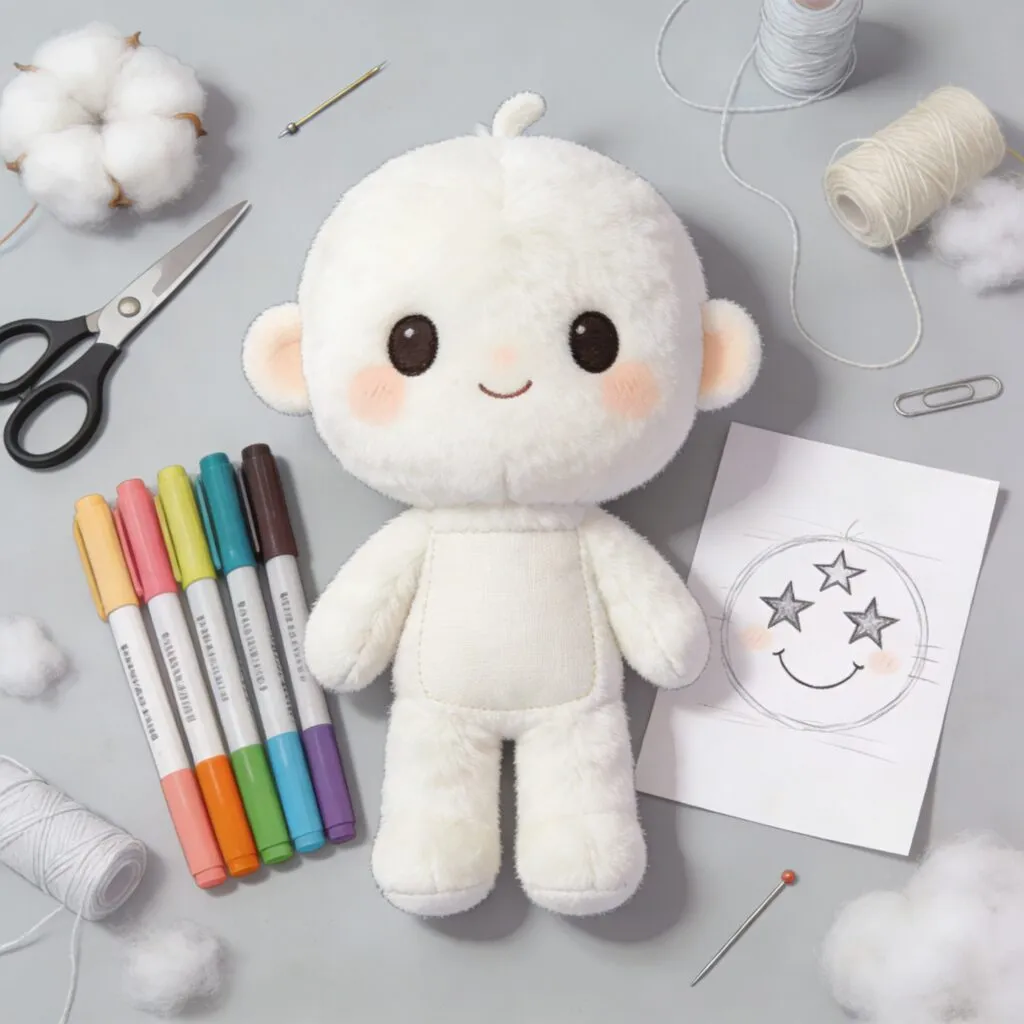
Das Entwerfen eines erfolgreichen Plüschtiers erfordert einen strukturierten Prozess:
- Konzeptionelles Skizzieren: Erwecken Sie Ihre ersten Ideen zum Leben.
- Auswahl von Stoffen und Füllungen: Auswahl der richtigen Materialien.
- Prototypenentwicklung: Erstellen einer physischen Probe zur Überprüfung.
- Sicherheits- und Konformitätsprüfung: Sicherstellung der Einhaltung von Vorschriften.
- Massenproduktion: Skalierung für die Markteinführung.
Chinesische Hersteller bieten oft umfassende Angebote an OEM-Plüschdesign-Dienstleistungen, in der Lage, Ihr einzigartiges Konzept in ein marktreifes Plüschtier zu verwandeln 2–4 Wochen. Dies ermöglicht es Marken und Einzelhändlern, eigene Produkte mit beeindruckenden Durchlaufzeiten zu entwickeln.
9. Wie man individuelle Plüschtiere mit meinem eigenen Design herstellt?
Maßgeschneiderte Plüschtiere sind bei Unternehmen sehr gefragt, Influencer, und für besondere Anlässe. Der Prozess umfasst typischerweise:
- Einreichen Ihres Entwurfs, Logo, oder Charakter-Artwork.
- Erhalt eines 3D-Modells oder eines physischen Prototypmusters.
- Verfeinerung von Details wie Stoff, Farben, und Größe basierend auf Ihrem Feedback.
- Bestätigen des endgültigen Entwurfs und Aufgeben einer Großbestellung (MOQ normalerweise 200–500 Einheiten).
China ist ein hervorragendes Ziel für die Herstellung maßgeschneiderter Plüschtiere, wettbewerbsfähige Preise anbieten, niedrige MOQs, und kurze Probenvorlaufzeiten (7–10 Tage). Mit maßgeschneiderten Plüschtieren können Unternehmen wirklich einzigartige Produkte anbieten oder unvergessliche Werbegeschenke kreieren, die sich von der Masse abheben.
10. Wie ist der Großhandelspreis für Plüschtiere??
Der Preis von Plüschtieren hängt von Natur aus von Faktoren wie der Größe ab, Designkomplexität, und die Qualität des verwendeten Stoffes:
- Mini-Plüsch (10–15 cm): Die Großhandelspreise liegen typischerweise zwischen 0.80–0.80–2.00 pro Stück (für Großbestellungen).
- Mittlerer Plüsch (20–40 cm): Die Großhandelspreise liegen im Allgemeinen zwischen 2.50–2.50–6.00 pro Stück.
- Großer Plüsch (60 cm und mehr): Die Großhandelspreise können zwischen variieren 8.00–8.00–20.00 pro Stück.
Als Importeure, Sie müssen auch die Versandkosten einkalkulieren. Plüschtiere sind sperrig, Herstellung Seefracht eine kostengünstige Option für Großaufträge, während Luftfracht bietet Geschwindigkeit zu einem höheren Preis.
Maßgeschneiderte Plüschtiere Natürlich sind die Stückkosten höher, Sie erschließen jedoch ein erhebliches Einzelhandelspotenzial, Oftmals ist es Unternehmen möglich, zu verkaufen 3–5-fache Großhandelspreise.
11. Wo man Plüschtiere im Großhandel aus China kaufen kann
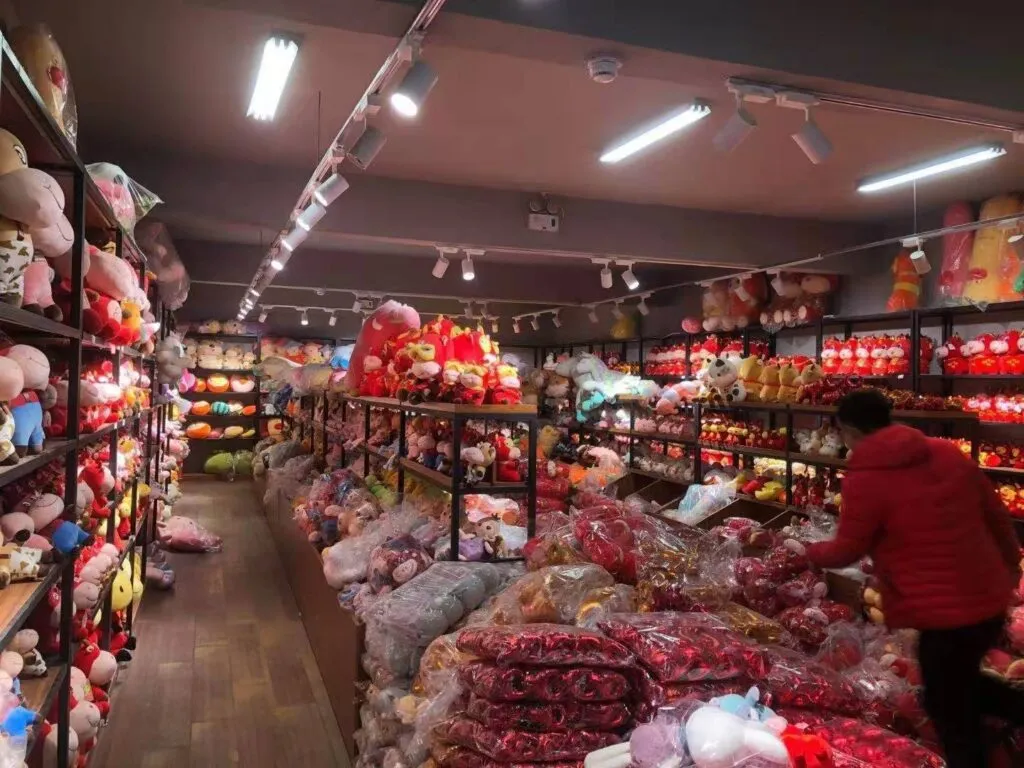
Die Shantou International Trade City gilt weltweit als der größte Großhandelsmarkt der Welt, Gehäuse vorbei 2,000 Anbieter von Plüschtieren. Zu den wichtigsten Vorteilen gehören::
- Niedrige MOQs: Für kleinere Importeure gut zugänglich.
- Beispiellose Vielfalt: Tausende Designs unter einem Dach verfügbar.
- Sofort lieferbar: Käufer können Lagerbestände sofort auswählen und versenden.
Shantou ist besonders beliebt bei Importeuren, die schnell verkaufte Plüschtiere für Dollar-Läden suchen, Supermärkte, und saisonale Verkaufsförderungsaktionen.
- Mai: Bekannt als Chinas “Plüschtier-Hauptstadt,” mit Tausenden von speziellen Plüschfabriken.
- Shenzhen/Guangzhou: Der Schwerpunkt dieser Zentren liegt häufig auf hochwertigen Plüschtieren und lizenzierten Charakterartikeln.
- Online-Sourcing-Plattformen: Websites wie Alibaba Und In China hergestellt bieten umfangreiche Lieferantenverzeichnisse an.
Bei Massenbeschaffung aus China, Importeure können zwischen dem Besuch von Großmärkten wählen, direkte Kontaktaufnahme mit Fabriken, oder einen professionellen Beschaffungsagenten beauftragen. Jeder Ansatz hat seine Vorzüge: Märkte bieten Geschwindigkeit, Fabriken bieten kundenspezifische Anpassungen, und Agenten sorgen für Qualitätskontrolle und logistische Unterstützung.
12. So finden Sie Hersteller von Plüschspielzeugen? Über LuluFamily
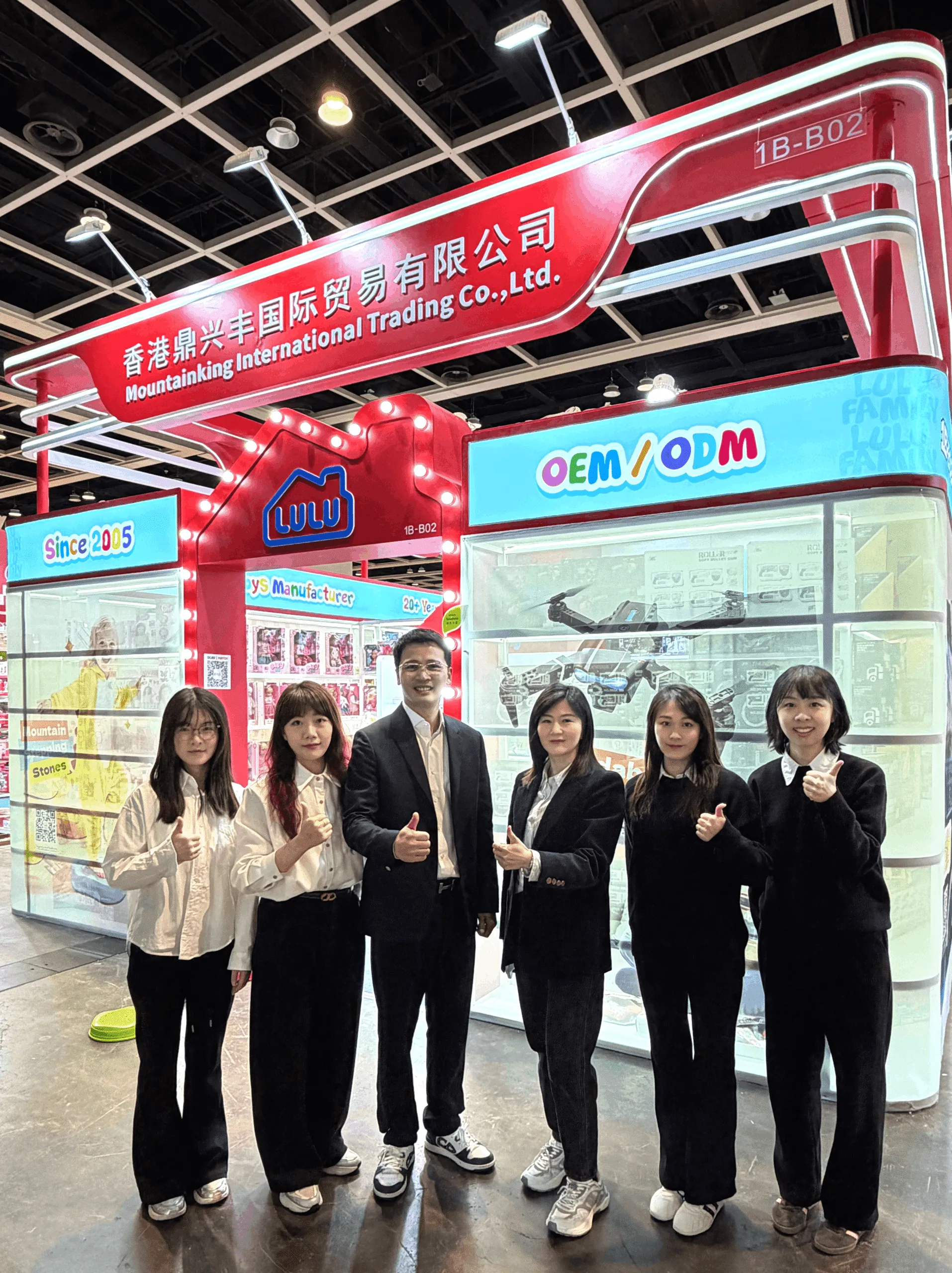
Für Käufer, die mit der Komplexität des chinesischen Marktes noch nicht vertraut sind, Die Zusammenarbeit mit einem erfahrenen Sourcing-Agenten wie LuluFamily ist oft die effektivste Strategie. LuluFamily bietet:
- Zugang zu geprüften Plüschtierherstellern: Wir überprüfen unsere Lieferanten streng.
- Kompetente Musterentwicklung und -anpassung: Erwecken Sie Ihre Vision zum Leben.
- Qualitätskontrolle und Compliance: Sicherstellen, dass Produkte den EU-/US-Standards entsprechen.
- Konsolidierte Versandlösungen: Maximierung der Kosteneinsparungen.
Wir bieten ein umfassendes, Komplettlösung, die globalen Käufern hilft, Risiken zu mindern und sich auf das Wachstum ihres Geschäfts zu konzentrieren.
13. FAQ für Plüschtiere
13.1 Plüschtiere vs. Stofftiere: Was ist der Unterschied??
Wird oft synonym verwendet, “Plüschtier” bezieht sich speziell auf Spielzeug aus Plüschstoff. “Stofftier” ist eine breitere Kategorie, die mit Stoff gefüllte Puppen und Stoffspielzeuge umfasst.
13.2 Wer ist ein “Plüschtier-Liebhaber”?
A “Plüschtierliebhaber” ist eine Person, die Plüschtiere sammelt oder sehr schätzt. Viele Erwachsene sind engagierte Sammler, Oftmals sind sie bereit, für seltene Exemplare Premiumpreise zu zahlen, limitierte Auflage, beschränkte Auflage, oder Nischen-Plüschtiere.
13.3 Wer hat Kuscheltiere erfunden??
Die Ursprünge von Stofftieren reichen bis in die frühen 1900er Jahre zurück. Steiff in Deutschland (1902) Und Morris Michtom in den USA (1903) werden die Erschaffung der ersten Teddybären zugeschrieben, die bis heute ikonische Plüschtiere sind.
13.4 Eine kurze Geschichte der Plüschtiere
Von den grundlegenden Teddybären des frühen 20. Jahrhunderts bis zu den anspruchsvollen, lizenzierten Charakter-Plüschtieren von heute, Die Branche hat sich dramatisch weiterentwickelt, Erweiterung zum Anime, K-Pop, Luxusgüter, und umweltfreundliche Segmente. Sammlerstücke und maßgeschneiderte Plüschtiere gehören mittlerweile zu den am schnellsten wachsenden Bereichen.
Abschluss
Die Plüschtierbranche ist dynamisch, profitabel, und sich ständig weiterentwickelnden Sektor. Für Importeure und Großhändler, Plüschtiere stellen eine flexible Produktkategorie dar, die sowohl Kinder als auch Erwachsene gleichermaßen anspricht.
Indem wir die Nuancen von Stoffen gründlich verstehen, Füllung, Größe, Branding, und Preisgestaltung, Sie können intelligenter einkaufen und Produkte anbieten, die genau auf die Marktnachfrage abgestimmt sind. Die Aufnahme individueller Plüschtiere in Ihren Katalog ist eine der effektivsten Möglichkeiten, Ihre Marke wirklich von der Konkurrenz abzuheben.
Wenn Sie hochwertige Plüschtiere im Großhandel verkaufen oder Ihre eigenen einzigartigen Designs kreieren möchten, LuluFamily ist hier, um Sie mit zuverlässigen chinesischen Herstellern zu verbinden. Wir bieten niedrige MOQs an, schnelle Probenahme, und umfassende Anpassungsunterstützung, um Ihrem Unternehmen zum Erfolg zu verhelfen.