
Quick summary: Finding a reliable toy supplier in China isn’t hard — if you know what to look for. This guide gives you the exact process we’ve watched thousands of Amazon sellers get right (and wrong) over 20 years of supplying the global toy market from Shantou.
の $12,000 Lesson One Seller Didn't Have to Learn
で 2023, a US-based Amazon seller reached out to us — after the damage was done.
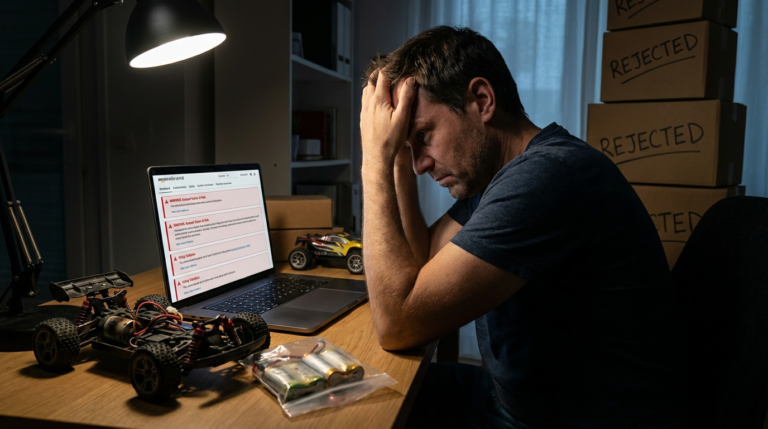
He had found a “toy factory” on Alibaba, placed a $12,000 order for 1,500 units of a remote-control car, and received a beautiful sample. Professional packaging, smooth controller, solid build quality. He was confident. He skipped the pre-shipment inspection to save $300.
When the goods arrived at the Amazon FBA warehouse, the rejection rate was 34%. Motors burned out after 10 minutes. The batteries leaked. Worse — the products had no CE certification for his European listings. Amazon suspended three of his ASINs within the first week.
の “factory” he bought from was a trading company. The sample they sent was sourced from a different manufacturer than the one that produced his bulk order.
He lost the $12,000 order, $3,400 in Amazon fees, and six weeks of peak Q4 sales velocity.
We tell this story not to scare you — but because **every single mistake he made is 100% avoidable.** This guide will show you exactly how.
Why Toy Sourcing Is Riskier Than Most Amazon Categories
Before we get into the “how,” you need to understand why toys carry higher sourcing risk than, say, phone cases or kitchen gadgets.
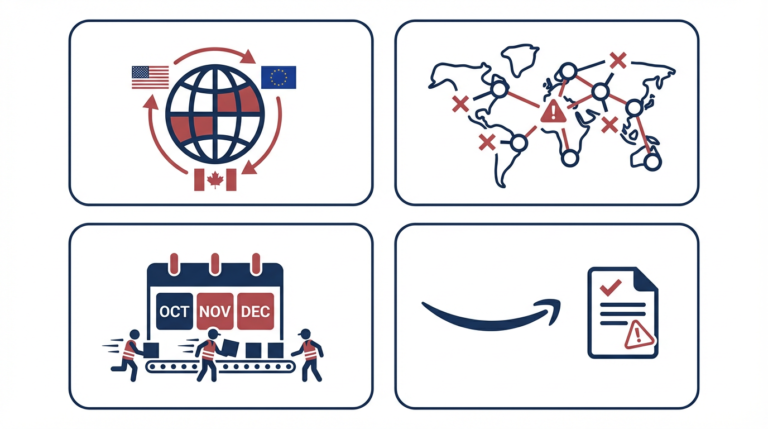
**1. Safety regulations are strict — and vary by market**
Toys sold in the US must comply with ASTM F963. Europe requires CE marking and EN71. Canada has its own CCPSA requirements. A product that passes in one market can be banned in another. Most generic sourcing guides treat “certification” as a checkbox. It isn’t — it’s a living compliance system that changes every few years.
**2. The toy supply chain in China is highly fragmented**
汕頭 (Chenghai district) alone has over 1,500 registered toy manufacturers. Add Yiwu, Guangzhou, Dongguan, and Zhongshan — and you’re looking at thousands of factories, dozens of trading companies, and hundreds of middlemen all presenting themselves as “factories” on B2B platforms.
**3. Seasonal demand creates quality shortcuts**
The months before Q4 are peak production season. Overloaded factories cut corners — thinner plastic, cheaper motors, lower-grade batteries. Sellers who order in August for November delivery are most exposed to this risk.
**4. FBA compliance requirements have gotten tighter**
Amazon’s safety and compliance team has been increasingly proactive about pulling listings that lack proper documentation — especially in the toys & games category. A supplier problem isn’t just a product problem. It can become an account problem.
Understanding these risks is step one. Now let’s talk about how to sidestep them.
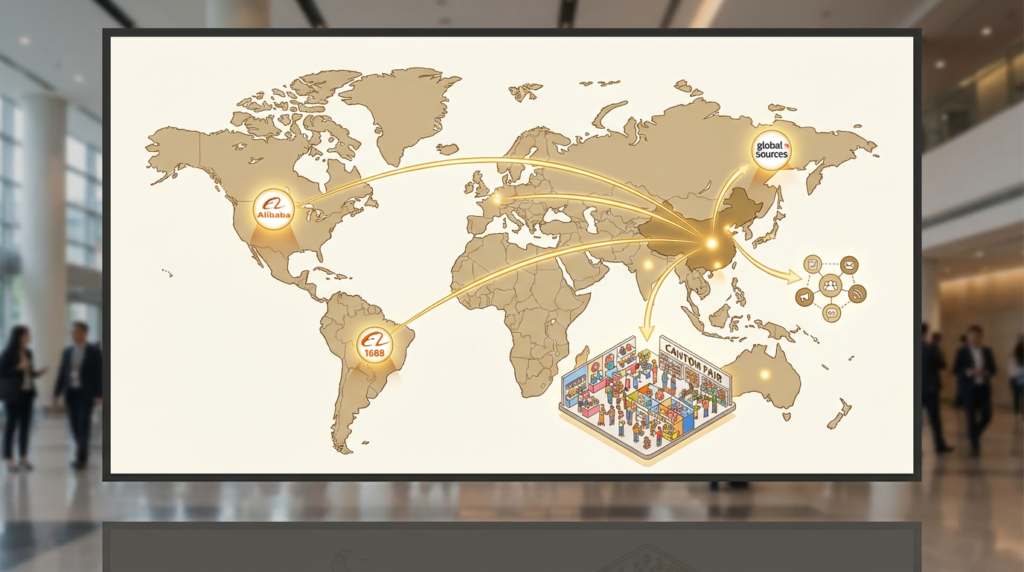
Step 1: Know Where to Actually Find Toy Suppliers (And What Each Channel Is Good For)
Most guides stop at “use Alibaba.” That’s like telling someone to “use Google” to find a doctor. Technically correct, practically incomplete.
Here are the five main channels — and the honest truth about each:
1. Alibaba — Best for first contact, worst for verification
Alibaba has over 5,000 toy suppliers listed. It’s the obvious starting point, but the platform’s Gold Supplier and Verified badges are paid tiers, not quality endorsements. Use Alibaba to build a longlist of 10–15 candidates. Do not use it as your only filter.
**What to look for on Alibaba:**
– Response rate above 90% and response time under 24 時間
– Transaction history with overseas buyers (check the “Transactions” tab)
– Detailed product listings with actual factory photos (not stock images)
– Video walkthroughs of the production facility
2. Global Sources — Better verified suppliers, higher average quality
Global Sources has stricter supplier verification than Alibaba and tends to attract more established manufacturers. Pricing is slightly higher but reliability is generally better. If you’re sourcing RC toys, electronic toys, or licensed products, Global Sources is worth the extra search time.
3. 広州交易会 (Import and Export Fair) — The gold standard for vetting
Held twice a year in Guangzhou, the Canton Fair is where serious buyers meet serious manufacturers. 段階 2 (the consumer goods phase) is where most toy suppliers exhibit. Meeting a supplier face-to-face — seeing their booth setup, product range, and team — tells you more about their operation in 30 minutes than three months of email back-and-forth.
If you can attend, go. If you can’t, hire a sourcing agent to attend on your behalf and send you video walkthroughs.
4. 1688.com — For experienced buyers who want factory-direct prices
1688 is Alibaba’s domestic Chinese platform — factories sell here at prices meant for Chinese buyers, not international markup. The catch: the platform is in Chinese, most sellers don’t speak English, and you’ll need a freight forwarder or sourcing agent to handle communication and logistics.
The upside: you can often find the actual manufacturer behind the Alibaba listing at 30–40% lower cost.
5. Direct referrals and industry contacts — The most underrated channel
The best toy suppliers are often not the ones with the most polished Alibaba storefronts. They’re the ones that existing Amazon sellers are quietly buying from and not telling anyone about. Join Amazon seller communities, FBA Facebook groups, and Reddit threads like r/FulfillmentByAmazon. Ask who people are actually buying toys from. You’ll get better leads than any search engine.
Step 2: Separate Real Factories from Trading Companies (The Right Way)
This is where most guides fail you. They say “check if they’re a factory or trading company” but don’t tell you **how**.
Here’s the actual method:
Method 1: Ask for their business license (营业执照)
Every legitimate Chinese manufacturer has a business license. Ask them to send you a photo or scan. If the business scope (经营范围) includes “生产” (manufacturing/production), it’s a factory. If it only says “销售” (sales/trading), it’s a trading company.
Trading companies aren’t inherently bad — sometimes they have exclusive relationships with factories that won’t sell direct. But you need to **know** what you’re dealing with.
Method 2: Use customs import data to verify real export history
Websites like **ImportYeti** (free) and **Panjiva** (paid) pull US customs data and show you exactly which Chinese companies have shipped to the US — what they shipped, how much, and to which buyers.
Search for the supplier’s company name. If they’ve been genuinely exporting, you’ll see real shipment records. If they show up with zero export history despite claiming “10 years exporting to the USA” — that’s a red flag.
Method 3: Request a factory audit video (or visit in person)
Ask for a live video tour via WhatsApp or WeChat. A real factory will show you production lines, worker stations, material storage areas, and QC zones without hesitation. A trading company will give you excuses: “our factory is currently busy,” “the video is not allowed for confidentiality reasons.”
Real factories are proud of their operations. They want you to see.
Method 4: Check the address on Google Maps
Cross-reference the factory address they give you with Google Maps satellite view. A 10,000m² factory producing RC cars will look very different from a small warehouse in a residential area. If the address leads to an apartment building or a tiny office, you’re not talking to a manufacturer.
Method 5: Ask specific production questions only a factory would know
Ask: “What is your current monthly production capacity for this SKU?” または “What type of injection molding machines do you use?” または “What’s your scrap rate on ABS plastic components?”
A factory manager will answer these without hesitation. A trading company sales rep will deflect, promise to “check with the team,” or give vague non-answers.
Step 3: Understand Toy-Category-Specific Risks (Not Generic Sourcing Advice)
This is the section most sourcing guides skip entirely. Different toy categories carry very different risks. Here’s what you actually need to know:
RC Toys and Electronic Toys
– **Battery risk is the #1 issue.** Lithium battery packs must meet UN38.3 certification for air freight, and MSDS documentation is required. Many FBA sellers discover this only when their shipment is rejected at the freight forwarder.
– **FCC certification** is required for any RC product operating on radio frequencies (2.4GHz) sold in the US. This is non-negotiable. Amazon will pull your listing without it.
– **Motor burnout under stress testing** is the most common quality failure. Ask your supplier for their drop-test and stress-test protocols.
Educational and STEM Toys
– Small parts are a major compliance issue for age groups under 3. ASTM F963 small parts testing is mandatory. Request the test report, not just a certificate.
– **Claims on packaging must be provable.** If the box says “develops fine motor skills” または “STEM-certified,” Amazon and regulators may require substantiation. Don’t let your supplier write your packaging copy without your review.
Infant and Toddler Toys (0–36 months)
– This is the **highest-risk category** on Amazon. Any safety complaint triggers an automatic review.
– Phthalates testing (DEHP, DBP, BBP) is mandatory under both CPSIA (US) and EN71-3 (EU). Make sure your test reports specifically cover the plasticizers used in your product’s components.
– Cords, strings, and fabric attachments have strict length limits. Your supplier may not know the exact Amazon-specific requirements — you do, so specify them clearly in your purchase order.
Plush and Stuffed Toys
– Filling material density is a common area for cutting corners. Request weight specifications for the filling per unit and verify against the actual product when samples arrive.
– Flammability testing (16 CFR Part 1610 for the US) is often overlooked. Your freight insurance may not cover fire-related damage from non-compliant materials.
Step 4: The Sample Process — How to Avoid the Most Expensive Mistake in FBA Sourcing
The sample-to-bulk-order gap is where most sellers get burned. The sample is perfect. The bulk order is not. Here’s why — and how to prevent it.
**Why samples are often better than bulk orders:**
– Samples are often hand-assembled by experienced workers, not the production line
– Samples may use premium materials that aren’t specified in the final purchase order
– The factory may outsource production to a cheaper sub-factory for large orders
The 5-step sample protocol:
Step 1: Pay for samples — don’t accept free ones
Free samples cost the supplier almost nothing and commit you to nothing. Paid samples (even $50–100) signal serious intent and get senior attention. More importantly, request that the sample be “sealed” — ask them to photograph it, sign across the box seal, and send you the photo before shipping. This is your reference standard.
Step 2: Test against your compliance checklist, not just aesthetics
When the sample arrives, test it systematically:
– Does it match the stated dimensions and weight?
– Do all mechanical parts function after 20+ cycles?
– Are all markings (age warning, choking hazard, manufacturer info) present and correctly placed?
– Does the packaging barcode scan correctly?
– Does it survive a 1-meter drop test without structural failure?
Step 3: Specify everything in writing before placing the bulk order
Your purchase order must include: exact material specs (ABS plastic grade, motor voltage, battery capacity), packaging dimensions (critical for FBA carton limits), individual unit weight, FNSKU label placement, and required certifications.
Step 4: Request a pre-production sample (PPS)
Before full production begins, ask for a pre-production sample made from the actual production materials and molds. This catches tooling and material substitution issues before 3,000 units are already made wrong.
Step 5: Mandatory pre-shipment inspection
Never skip this. A pre-shipment inspection by a third-party service (QIMA, SGS, Asia Quality Focus) costs $250–400 and checks: workmanship quality, quantity count, carton marking, packaging integrity, and random function testing. That $300 has saved sellers from $15,000 mistakes more times than we can count.
Step 5: の 2026 Tariff Situation — What Amazon Sellers Actually Need to Recalculate
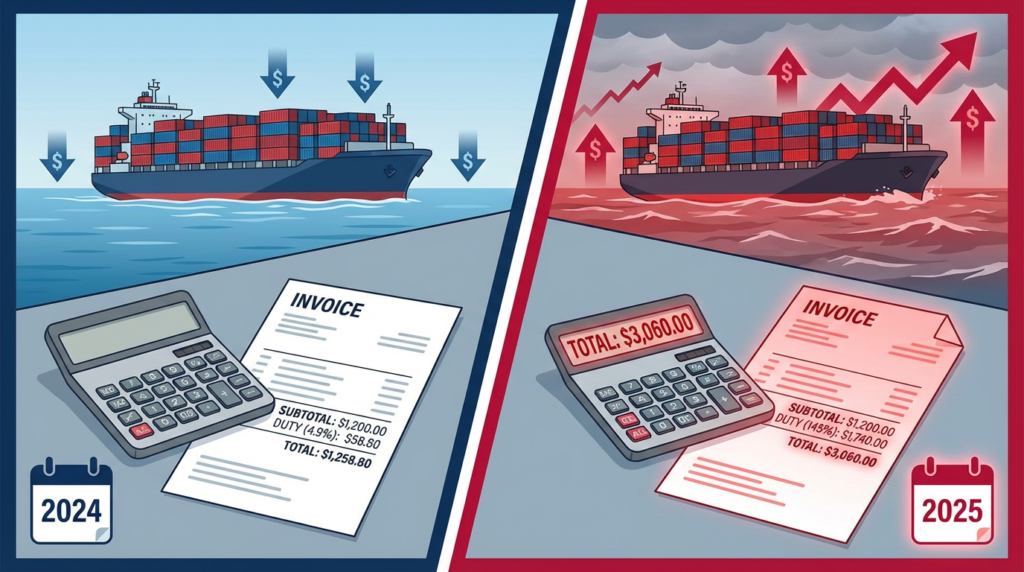
With US tariffs on Chinese goods reaching up to 145% で 2026, the landed cost math has changed dramatically. Here’s what you need to recalculate:
Old formula (pre-2026):
FOB Price + Freight + Customs Duty (0–6.8% for toys) + FBA Fees = Landed Cost
New formula (2026):
FOB Price + Freight + Customs Duty (up to 145%) + Section 301 関税 + FBA Fees = Landed Cost
Real-world example:
– RC car, FOB price: $8.00
– Old tariff (4.9%): $0.39 → Total landed ~$11.50
– New tariff (145%): $11.60 → Total landed ~$23.00
That’s a landed cost that nearly doubled — on the same product.
What to do about it:
Option 1: Negotiate DDP pricing
Ask your supplier to quote DDP (Delivered Duty Paid). This transfers tariff responsibility to the supplier’s freight forwarder, who may have better customs optimization options. Not all suppliers can do this, but established ones can.
Option 2: Restructure product specs to lower declared value
Work with a customs broker to correctly classify your product. Some toy subcategories have lower duty rates than others. Misclassification is illegal — but correct classification is your right and often overlooked.
Option 3: Request factory-direct pricing to absorb tariff increase
If you’ve been buying through a trading company, this is the time to go direct to the factory. Cutting out the middleman’s 15–25% margin can offset a significant portion of the tariff increase.
Option 4: Diversify to Vietnam or other manufacturing bases
For some high-volume, low-complexity toys (ぬいぐるみ, basic plastic items), Vietnam-based manufacturers are increasingly competitive and face lower US tariff exposure. For complex electronics and RC toys, China’s manufacturing ecosystem remains unmatched — and most experienced importers are staying with China for these categories.
Step 6: The Compliance Documents That Protect Your Amazon Account
This is the FBA-specific angle that almost no sourcing guide covers — even though it’s the reason many seller accounts get suspended.
Amazon’s Product Compliance team can request documentation at any time for toys & games listings. If you can’t provide it within the deadline (usually 72 時間), your listing is removed and may trigger an account review.The documents you need, by market:
Selling in the US:
– Children’s Product Certificate (CPC) — required for all toys marketed to children under 12. Must be based on third-party testing by a CPSC-accredited lab.
– ASTM F963 test report — must reference the current version (F963-23 as of 2025)
– FCC Declaration of Conformity — for any electronic/RC toys
– MSDS / SDS — for products containing batteries
Selling in Europe (UK, DE, FR, 等):
– CE Declaration of Conformity
– EN71 Part 1, 2, そして 3 test reports (mechanical/physical, flammability, migration of elements)
– REACH compliance (chemical restrictions)
– RoHS compliance (hazardous substances in electronics)
Pro tip:
Create a Compliance Folder for each ASIN with all relevant documents. Store it in Google Drive. When Amazon requests documentation, you can respond within hours, not days. Sellers who can’t find their documents in time lose listings during peak season — the worst possible outcome.
Ask your supplier for all documents before you place the bulk order, not after. If they can’t provide them, that’s your answer.
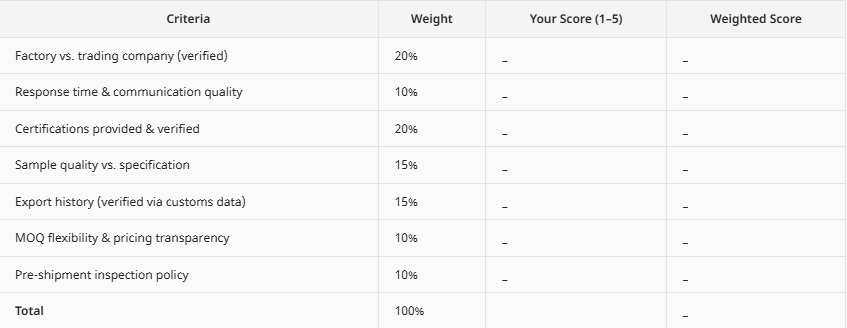
Supplier Evaluation Scorecard (Use This Before Every New Order)
Use this scorecard to compare multiple suppliers objectively. Score each criterion 1–5.
Scoring guide:
– 85–100: Strong candidate — proceed to sample order
– 65–84: Acceptable — proceed with caution and additional verification
– Below 65: Do not proceed without resolving major gaps
What a Reliable Supplier Actually Looks Like: The LuluFamily Perspective
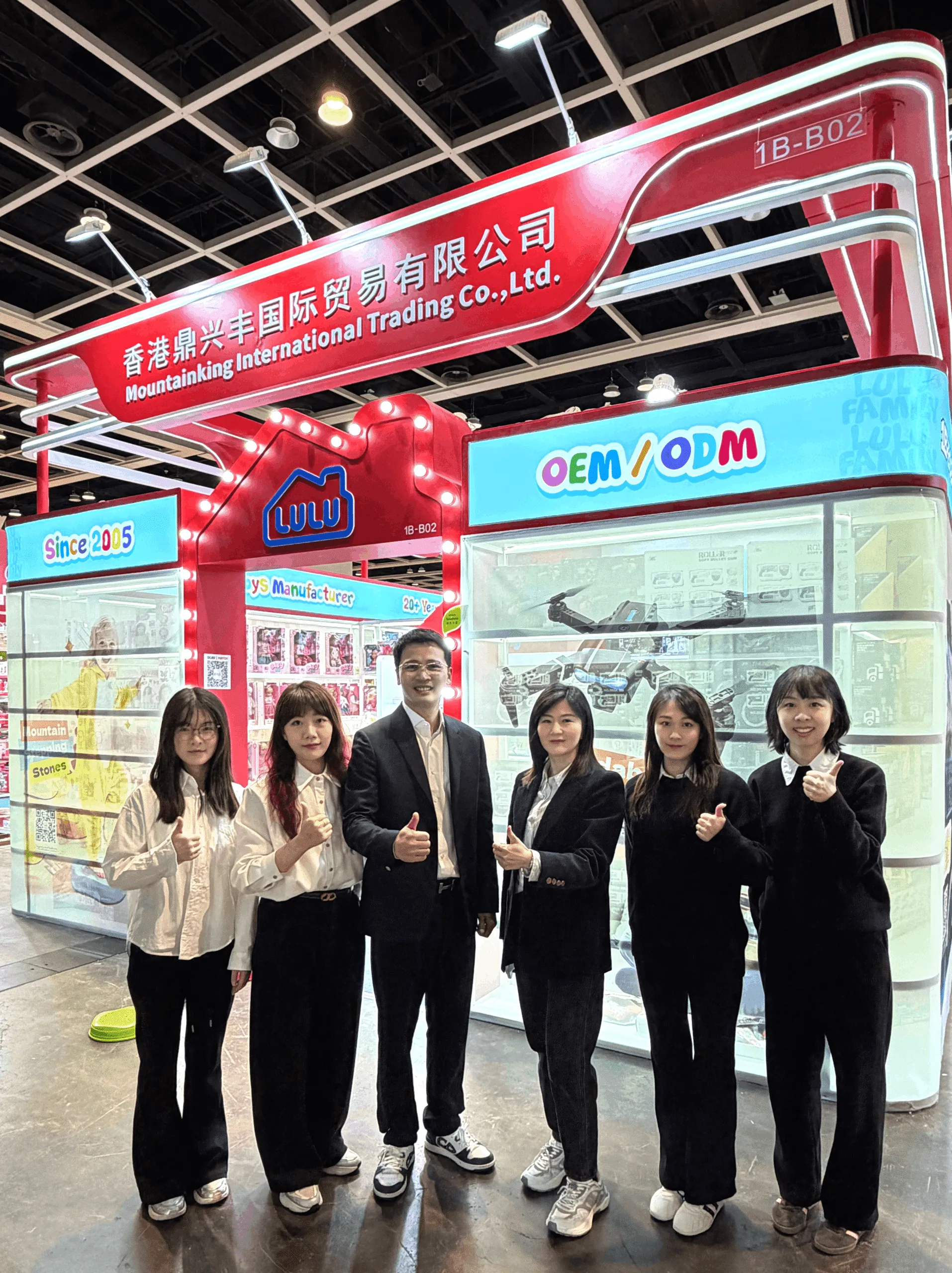
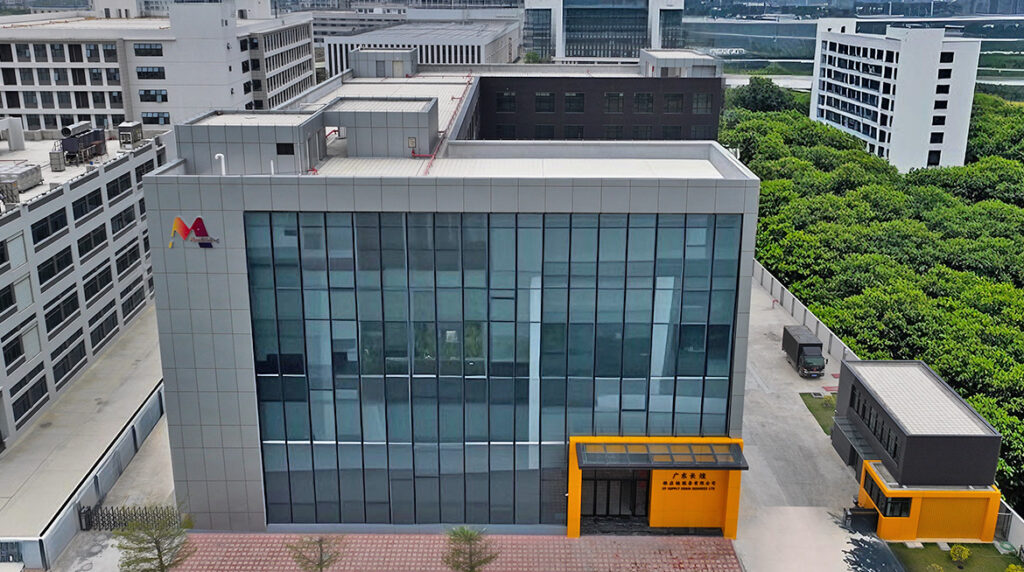
We’ve been manufacturing and exporting toys from Shantou since 2005. In that time, we’ve worked with buyers from 50+ countries — from solo Amazon sellers placing their first $3,000 order to retail chains ordering 40-foot containers monthly.
Here’s what we’ve noticed about buyers who never get burned:
They ask the right questions before price. The first email from a serious buyer is rarely “what’s your best price?” It’s “can you show me your QC process?” または “what certifications do you have for the US market?” Price matters — but buyers who lead with compliance questions consistently get better outcomes.
They order samples of multiple SKUs, not just their hero product. The way a supplier handles a small, multi-SKU sample order tells you everything about how they’ll handle a large, complex production run.
They establish a relationship, not just a transaction. The buyers we go the extra mile for — rush production, priority QC slots, heads-up on material price changes — are the ones who communicate consistently, pay on time, and treat our team with respect. Business is still personal, even in B2B.
They know their numbers before they place the order. Buyers who have already calculated their landed cost, FBA fees, and target margin don’t panic when tariffs change or freight rates spike. They adapt. Buyers who didn’t do the math upfront often try to renegotiate mid-production — which is the fastest way to damage a supplier relationship.
The Bottom Line
Finding a reliable toy supplier in China in 2026 comes down to six things:
1. Use multiple sourcing channels — don’t rely only on Alibaba
2. Verify factory identity through business licenses, customs data, and video audits
3. Know your category’s specific risks — RC, 教育的, infant, and plush toys each have different failure modes
4. Run a rigorous sample process — sealed samples, written specs, pre-production samples, and pre-shipment inspection
5. Recalculate your landed cost と 2026 tariff reality before committing to any order
6. Get your compliance documents in order before your first sale, not after your first suspension
The sellers who get burned aren’t unlucky. They’re the ones who skipped a step that seemed unnecessary at the time.
The sellers who build reliable, long-term supplier relationships in China treat sourcing like the business process it is: methodical, documented, and verified at every stage.
Ready to Skip the Trial and Error?
LuluFamily has been supplying Amazon FBA sellers, retail chains, and importers from Shantou since 2005. We offer:
– 10,000+ certified toy SKUs ready to ship (CE, ASTM, EN71, RoHS, REACH)
– OEM/light customization from 500 pcs — your brand, your packaging
– In-house QC lab with full documentation for every order
– Dedicated FBA prep services — FNSKU labeling, carton compliance, freight coordination
– 24-hour response from our multilingual team
[Click here to contact us for a free quote]
Eメール: [email protected]
*No commitment required. We’ll review your product requirements, confirm certifications, and send you a detailed quote within 24 hours.*